
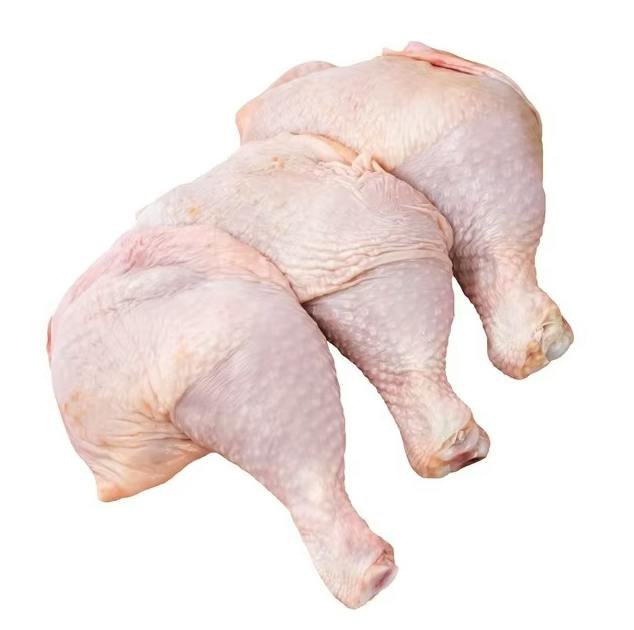
frozen chicken, Frozen Poultry, Ice-Glazed Chicken
Frozen Chicken Market Size & Forecast 2026–2035
Oct
Frozen Chicken Market Size, Competitors & Forecast 2026–2035: Global Industry Analysis


The global frozen chicken market is becoming increasingly important to food importers, wholesalers, supermarket distributors, and restaurant supply chains. As demand for convenient and affordable protein continues to grow, frozen poultry remains an essential product in international food trade.
For businesses sourcing frozen chicken from Brazil, Turkey, the United States, and other producing countries, understanding market trends can support better purchasing decisions.
But how large is the frozen chicken market in 2026? Which companies dominate international competition? And what should importers expect through 2035?
This report examines the frozen chicken market size, competitors, and forecast, including emerging demand, export opportunities, technical requirements, and commercial purchasing considerations.
Global Frozen Chicken Market Size in 2026
According to 360iResearch, the global frozen chicken market was estimated at $18.05 billion in 2025 and is projected to reach $18.91 billion in 2026.
The same research projects a market value of approximately $26.74 billion by 2032, representing annual compound growth of 5.77%.
Other research firms publish higher estimates. This variation means importers and investors should examine how each report defines frozen chicken before using its figures for business planning.
The wider poultry industry is considerably larger than the frozen chicken category alone. It includes fresh poultry, chilled products, frozen meat, processed poultry, and other segments.
What Is Driving Frozen Chicken Demand?
Several factors support frozen chicken consumption:
-
Growing demand for affordable animal protein
-
Expansion of supermarkets and frozen food distribution
-
Increased use of frozen poultry in restaurants
-
Improvements in cold-storage infrastructure
-
Greater availability of portion-controlled chicken products
-
Demand for convenient and ready-to-cook meals
These trends create opportunities for frozen chicken exporters and wholesale distributors, although demand varies significantly by country.
Frozen Chicken Market Forecast 2026–2035
The long-term outlook for poultry remains positive.
The OECD-FAO Agricultural Outlook 2026–2035 projects that global poultry consumption will reach approximately 177 million metric tons in ready-to-cook weight by 2035.
It also forecasts poultry accounting for around two-thirds of additional global meat consumption over the outlook period.
This forecast covers all poultry consumption, not just frozen chicken.
Nevertheless, it provides useful context for businesses planning investments in frozen poultry processing, storage, logistics, and distribution.
Major Growth Opportunities
Growth opportunities include expanding foodservice demand, stronger cold-chain networks, and increased protein consumption in emerging markets.
Countries with growing urban populations may create additional opportunities for frozen chicken importers, particularly where local poultry production cannot fully meet demand.
However, import restrictions, tariffs, veterinary regulations, and disease-related trade measures can quickly affect market access.
Leading Frozen Chicken Market Competitors


The global frozen chicken industry includes multinational processors, integrated poultry producers, regional exporters, and specialized distributors.
Major companies identified in industry research include:
| Company | Main market association | Competitive strengths |
|---|---|---|
| JBS S.A. | Brazil / international | Large-scale meat processing and global distribution |
| BRF S.A. | Brazil / international | Poultry brands and export operations |
| Tyson Foods | United States | Poultry processing and branded products |
| Pilgrim’s Pride | Americas / Europe | Integrated poultry production |
| Charoen Pokphand Foods | Thailand / international | Integrated poultry and food production |
| Perdue Farms | United States | Branded poultry and foodservice products |
These companies are identified as relevant industry participants in the 360iResearch market study. The table is not a verified market-share ranking.
How Frozen Chicken Suppliers Compete
Competition extends beyond offering the lowest price per metric ton.
Importers evaluate product consistency, veterinary approval, Halal certification where required, cold-chain performance, documentation, and shipping reliability.
For exporters, maintaining market access and meeting destination-country regulations can be as important as processing capacity.
Brazil’s Role in Frozen Chicken Exports
Brazil is a major participant in the international poultry trade.
Brazilian frozen chicken products are widely associated with large-scale processing, export-oriented production, and supply to multiple international markets.
Common export products include frozen whole chicken, chicken breasts, thighs, drumsticks, wings, and other approved poultry cuts.
Why Importers Source Brazilian Frozen Chicken
Brazilian suppliers can be attractive to importers seeking container-scale purchasing arrangements.
Buyers may request frozen chicken in bulk cartons, individually quick-frozen portions, or other formats depending on the processing facility.
However, purchasing decisions should be based on approved establishment information, product specifications, veterinary documentation, and actual shipping arrangements.
A Brazilian origin claim alone does not guarantee that a product meets the importing country’s requirements.
Frozen Chicken Market Opportunities in Africa and the Middle East
Africa and the Middle East are relevant regions for international frozen poultry trade.
The OECD-FAO outlook projects that total meat consumption in Africa will increase by approximately 32% over its outlook period, largely because of population growth.
This broader meat forecast does not establish an identical growth rate for frozen chicken imports.
Demand for imported poultry depends on domestic production, purchasing power, cold-storage capacity, and government trade policy.
Halal Frozen Chicken Demand
Halal-certified frozen chicken is particularly relevant in markets where buyers or regulations require Halal compliance.
Importers should request certificates issued by recognized certification bodies and verify that they cover the relevant product, production facility, and shipment.
Suppliers should not advertise products as Halal-certified without current supporting evidence.
Frozen Chicken vs. Frozen Beef Market Opportunities


Frozen chicken and frozen beef serve overlapping foodservice and retail markets, but their economics differ.
Poultry generally benefits from shorter production cycles and often more competitive consumer pricing.
Beef products may target different customer segments, including hotels, restaurants, butchers, supermarkets, and specialty meat distributors.
According to the OECD-FAO 2026–2035 outlook, global poultry consumption is expected to grow more rapidly than beef consumption over the forecast period.
| Comparison | Frozen chicken | Frozen beef |
|---|---|---|
| Common products | Whole chicken, breast, wings, thighs | Boneless beef, cuts, tenderloin |
| Buyers | Retailers, restaurants, processors | Retailers, restaurants, meat distributors |
| Export packaging | Food-grade cartons | Cartons or vacuum-packed cuts |
| Storage | Frozen cold chain | Frozen cold chain |
| Main purchasing concern | Cut specifications and yield | Cut, grade, fat content and origin |
| Market positioning | Broad protein and foodservice demand | Broad and premium meat segments |
Wholesalers offering both frozen chicken and beef can serve different customer requirements, but each product category needs its own technical documentation and import compliance checks.
H2: Technical Details
Frozen chicken quality depends on processing hygiene, temperature management, product specifications, and compliance with applicable food safety requirements.
Commercial buyers should request technical specifications before confirming an order.
Frozen Chicken Product Specifications Table
The following represents a general purchasing specification framework, not a verified BEYPLIC supplier certificate.
| Specification | Typical buyer requirement |
|---|---|
| Product | Frozen chicken |
| Species | Domestic chicken (Gallus gallus domesticus) |
| Available cuts | Whole chicken, breast, wings, thighs, drumsticks |
| Product condition | Frozen |
| Freezing method | Blast-frozen or IQF, where applicable |
| Storage temperature | Commonly −18°C or colder |
| Transport | Validated frozen cold chain |
| Appearance | Characteristic of product and grade |
| Odor | No abnormal odor |
| Packaging | Food-grade protective packaging |
| Net weight | According to purchase agreement |
| Shelf life | Manufacturer-validated |
| Country of origin | Verified through documentation |
| Veterinary certificate | As required by destination |
| Halal certification | Where applicable and verified |
| Batch traceability | Required by agreed quality system |
Product tolerances, glaze limits, microbiological criteria, and temperature requirements must be specified according to the destination market and contract.
Frozen Chicken Food Safety Requirements
Maintaining an uninterrupted cold chain is essential.
Products should be transported in suitable refrigerated equipment and handled according to the manufacturer’s validated temperature requirements.
Importers should verify establishment approval, applicable veterinary certificates, labeling, traceability, and destination-country import eligibility.
H3: Packaging Information


Frozen chicken packaging protects products from contamination, dehydration, and physical damage during storage and transportation.
Common wholesale formats include:
| Packaging | Common use |
|---|---|
| 10 kg cartons | Wholesale distribution |
| 15 kg cartons | Foodservice and importers |
| 20 kg cartons | Bulk meat distribution |
| IQF bags inside cartons | Individually frozen portions |
| Vacuum-sealed packaging | Selected poultry and beef cuts |
| Private-label cartons | Retail or distributor branding |
Actual packaging weights, cartons per pallet, and net loading quantities depend on product type, supplier, and shipment configuration.
Frozen Chicken Container Loading
Frozen poultry is commonly shipped using refrigerated containers.
Before loading, buyers and suppliers should agree on net cargo weight, carton dimensions, palletization, temperature settings, and required documentation.
Container payload must remain within equipment and transport limits.
How to Buy Frozen Chicken in Bulk
Businesses searching for frozen chicken wholesale suppliers should prepare a detailed request for quotation.
An effective inquiry should specify the required chicken cut, country of origin, quantity, packaging, destination port, and preferred delivery terms.
For example, a buyer might request a refrigerated container of frozen chicken wings in 10 kg cartons, with delivery under CIF terms to an approved destination port.
Frozen Chicken CIF and FOB Prices
Frozen chicken prices vary according to product cut, origin, processing costs, demand, shipping distance, currency, and market restrictions.
FOB quotations cover delivery on board at the agreed port of shipment.
CIF quotations include the seller’s arrangements and payment for freight and required insurance to the named destination port, although risk transfers at shipment under the applicable Incoterms.
Buyers should request current quotations rather than relying on outdated market prices.
Choosing a Reliable Frozen Chicken Supplier
A dependable supplier should provide verifiable commercial and technical information.
Important evaluation criteria include:
-
Legal company and exporter identity
-
Approved processing establishment
-
Relevant veterinary and food safety documents
-
Product specifications and packaging details
-
Origin and batch traceability
-
Cold-chain arrangements
-
Clear payment and delivery terms
Buyers should also confirm the seller’s authority to supply the products and verify documentation independently before payment.
Frozen Chicken Market Forecast: What Buyers Should Watch
The next several years are likely to bring opportunities and risks.
Demand growth may support increased international trade, but supply conditions remain exposed to avian influenza, feed costs, exchange-rate movements, energy prices, and import restrictions.
The USDA’s October 2026 poultry outlook includes upward adjustments to projected U.S. broiler production and exports for 2026 and 2027, illustrating how supply forecasts can change over relatively short periods.
Commercial buyers should review market conditions regularly rather than assuming that long-term growth forecasts guarantee stable prices.
Frequently Asked Questions
How big is the frozen chicken market in 2026?
360iResearch estimates the global frozen chicken market at approximately $18.91 billion in 2026. Other market research providers publish different figures.
Who are the leading frozen chicken competitors?
Major industry participants include JBS, BRF, Tyson Foods, Pilgrim’s Pride, CP Foods, and Perdue Farms.
Is frozen chicken demand expected to grow?
Industry forecasts generally indicate growth, although projected rates vary by methodology and product coverage.
Which country is a major frozen chicken exporter?
Brazil is a major international poultry exporter, alongside other producing and exporting countries.
Can I buy frozen chicken and frozen beef in bulk?
Yes. Wholesale purchasing is available through qualified suppliers, subject to product availability, destination-country import approval, and agreed commercial terms.
Conclusion: Frozen Chicken Market Size, Competitors & Forecast
The frozen chicken market size, competitors, and forecast point toward continued opportunities for international food trade, supported by demand for convenient and affordable protein.
However, buyers should distinguish between frozen chicken revenue forecasts and broader poultry production or consumption projections.
Successful purchasing requires more than identifying a growing market. Importers must evaluate supplier credibility, product quality, regulatory compliance, pricing, and cold-chain reliability.
Businesses interested in frozen chicken or beef wholesale sourcing can visit BEYPLIC to explore relevant product information and submit a purchasing inquiry.
Request a wholesale quotation: Include your preferred product, quantity, packaging, destination port, and delivery terms.
