
frozen chicken, Frozen Poultry, Ice-Glazed Chicken
Frozen Chicken and Beef Wholesale Buyer’s Guide | Beyplic
Oct
Frozen Chicken and Beef: A Wholesale Buyer’s Guide to Brazilian Poultry and Meat
Buying frozen chicken and beef for your business involves more than finding an attractive price. The right order needs to match your customers’ expectations, your storage capacity, and the documentation required at your destination. A clear specification helps you compare offers fairly and avoid receiving products that do not suit your market.
For importers, distributors, supermarkets, and foodservice operators, Brazilian frozen chicken is an important sourcing option. Beef can complement a poultry range by serving different customers, menus, and price points. However, each product needs its own purchasing specification.
At Beyplic, buyers can explore dedicated poultry and beef pages before submitting an inquiry. This guide explains how to select cuts, review packaging, request supporting documents, and prepare a useful wholesale quotation request.
Choosing Frozen Chicken and Beef for Your Business
Start with how you intend to sell or use the meat. A restaurant purchasing portion-controlled chicken breast has different requirements from a distributor supplying whole birds to retailers. Likewise, a steakhouse buying beef tenderloin needs a different specification from a processor purchasing beef trimmings.
Consider the preparation method, portion size, acceptable variation, and expected yield. A lower purchase price may offer little benefit if the product requires more trimming or creates inconsistent portions.
For retail sales, presentation and label information matter. For commercial kitchens, preparation time and usable meat yield may be more important. For distribution, carton durability, traceability, and dependable product descriptions help simplify receiving and stock management.
A good wholesale inquiry connects these practical needs to a clearly defined product.
Brazil Frozen Chicken Wholesale: Selecting the Right Cuts
Buyers searching for Brazil frozen chicken wholesale should identify the exact cut before requesting prices. “Frozen chicken” alone leaves too much room for different interpretations.
Beyplic’s Brazil frozen chicken page lists whole chicken and several poultry cuts, with availability and export eligibility subject to confirmation. beyplic.com
Frozen Whole Chicken
Whole chicken can suit retail, roasting, catering, and distribution. Specify the required weight range per bird, whether giblets are included, and the desired individual wrapping.
Consistent sizing helps retailers maintain price points and allows kitchens to plan portions. Ask whether the carton contains a fixed number of birds or is packed to an agreed net weight.
Frozen Chicken Breast
Chicken breast is suitable for grilled dishes, sandwiches, catering, and further processing. Buyers should confirm whether they need boneless, skinless fillets or another presentation.
Ask about fillet weight, trimming, added ingredients, and freezing format. Individually quick frozen portions and block-frozen meat serve different handling needs, so the quotation should state which format is offered.
Chicken Wings, Thighs, Drumsticks, and Leg Quarters
These cuts serve different menu and distribution requirements. Wings may be supplied whole or separated into sections. Thighs may be bone-in or boneless, while leg quarters require a clear description of the included portions.
When you buy frozen chicken wholesale, define the cut, skin and bone status, size range, and packing format together. This makes competing offers easier to compare.
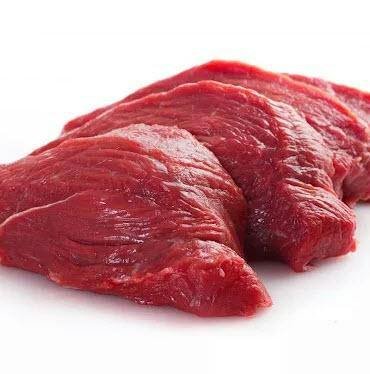
Frozen Beef Wholesale: Specify the Cut and Intended Use
Frozen beef purchasing begins with the cut name, but it should not end there. Bone status, trimming, fat level, portion size, and packaging can substantially change the value of an offer.
Beyplic has a dedicated beef from Brazil page that buyers can use as a starting point for an inquiry. Confirm the origin and exact specification of the offered shipment before ordering. Frozen Brazilian Beef Wholesale
For steak applications, request the precise cut and any portioning requirements. For slow-cooked dishes, discuss suitable cuts with the supplier rather than selecting solely by price. For manufacturing, describe the required lean-to-fat ratio and acceptable variation.
A quotation for “boneless frozen beef” is too broad for reliable purchasing. Ask for an agreed cut specification, supporting photographs where available, and the expected usable yield for your application.
Technical Details
Technical specifications should become part of the agreed order documents. Marketing descriptions such as “premium quality” or “export quality” are useful only when supported by measurable requirements.
For poultry, specify the cut, weight range, skin condition, bone status, freezing method, and any added water or ingredients. For beef, define the cut, trimming standard, fat specification, bone status, and weight presentation.
Storage conditions also need to be explicit. USDA guidance identifies approximately −18°C / 0°F or below as a frozen-storage benchmark. Freezing does not sterilize meat, and appropriate handling remains essential. Food Safety and Inspection Service
Commercial shelf life must come from the actual product label and producer’s specification. Do not assume that every chicken or beef shipment has the same expiry period. Specify minimum remaining shelf life at arrival if this affects your buying decision.
Product Specifications Table
The table below is a purchasing framework, rather than a confirmed specification for every Beyplic product.
| Specification | Frozen chicken | Frozen beef |
|---|---|---|
| Product identity | Whole bird or named poultry cut | Named beef cut, mince, or trimmings |
| Origin | Confirm Brazilian origin for the offered lot | Confirm origin for the offered lot |
| Bone and skin status | Define bone-in/boneless and skin-on/skinless | Define bone-in or boneless |
| Size or weight | Agreed bird or portion weight range | Agreed piece or portion weight range |
| Composition | Confirm ingredients and any added water | Confirm ingredients and fat specification |
| Freezing format | Confirm IQF, block-frozen, or other format | Confirm individual or block format |
| Storage | Follow producer’s validated instructions | Follow producer’s validated instructions |
| Shelf life | Producer-declared; verify remaining life | Producer-declared; verify remaining life |
| Packaging | Confirm inner pack and carton net weight | Confirm vacuum pack, liner, and carton weight |
| Traceability | Batch, establishment, production, and expiry details | Batch, establishment, production, and expiry details |
| Halal status | Verify certification where required | Verify certification where required |
| Acceptance criteria | Agree product-specific tolerances | Agree product-specific tolerances |
Packaging Information
Packaging should protect the meat and suit the buyer’s handling process. Whole birds may require individual wrapping, while chicken portions may need sealed inner bags. Beef cuts may be vacuum-packed before placement in an outer carton.
These are options to discuss, rather than guaranteed formats for every order.
Request carton dimensions, net and gross weights, pallet dimensions, cartons per pallet, and the proposed loading plan. If cartons contain variable-weight pieces, ask how weights are recorded and invoiced.
Confirm label language and required product information before production or dispatch. For private-label inquiries, discuss artwork approval, minimum quantities, and any additional preparation time.
Avoid estimating container capacity from carton weight alone. Packaging dimensions, pallet use, equipment limits, and airflow requirements also affect the loading plan.
Quality Documents, COA, and Halal Verification
Documentation should correspond to the product, production establishment, and shipment being purchased.
Ask for the product specification sheet and available batch-related analysis or microbiological reports. Where a Certificate of Analysis (COA) is supplied, check the batch reference, test date, methods, and results. A COA provides analytical information; it does not replace other required shipment documents.
Buyers should also request confirmation of the relevant origin and sanitary documentation before finalizing an order.
For halal frozen chicken wholesale or halal beef purchases, review the actual certificate. Check its validity, covered establishment, product scope, and suitability for the destination market.
A halal statement on a website is a starting point for verification. The purchasing decision should rely on documents applicable to the offered goods.
Frozen Chicken and Beef Prices: Compare Equivalent Offers
A meaningful frozen chicken wholesale price depends on the cut, size, packing, quantity, origin, and delivery basis. Beef prices also vary with cut selection, trimming, and fat specification.
Compare quotations using the same requirements. A price per metric ton is difficult to assess if one offer includes different packaging or product characteristics.
Ask the supplier to state the currency, unit of sale, quote validity, named shipment location, and included costs. If requesting FOB or CIF pricing, identify the loading or destination port and ask which Incoterms edition applies.
For a CIF inquiry, request the insurance details and clarify destination charges separately. An attractive headline price should be supported by a clear commercial breakdown.
Shipping and Availability
Frozen meat orders require coordination between product preparation, cold storage, loading, transport, and receiving.
Ask for the expected preparation time, proposed sailing schedule, estimated transit time, and available temperature records. Treat lead times as shipment-specific estimates until the order and logistics are confirmed.
If you want chicken and beef in one shipment, request written confirmation that mixed loading is feasible. Compatible temperatures alone do not establish whether the supplier can combine the products or whether the documentation will support the arrangement.
Discuss minimum order quantities by product. A supplier may have different requirements for whole chicken, individual poultry cuts, and beef. Recurring purchases should also include agreed specifications and a realistic lifting schedule.
Frequently Asked Questions
Can I buy frozen chicken and beef in one order?
Submit both requirements together. Combined supply and mixed-container loading need confirmation based on availability, packing, documentation, and destination requirements.
Is Brazilian frozen chicken always halal?
Confirm the certification of the specific product and establishment. Brazilian origin alone does not establish halal status.
What information is needed for a wholesale quotation?
Provide the cut, specification, quantity, packaging, destination country and port, delivery term, and any certification requirements.
What shelf life should I request?
Use the producer’s declared shelf life and specify the minimum remaining period you need at arrival. Avoid applying one assumed shelf life to all frozen meat products.
Request a Frozen Chicken and Beef Wholesale Quote
A detailed inquiry helps the supplier prepare an offer that fits your business.
Send Beyplic your required chicken and beef cuts, quantities, weight specifications, packaging, destination, preferred delivery terms, and documentation needs. Include whether the purchase is a trial shipment or part of a recurring program.
Explore the Brazilian frozen chicken range and beef from Brazil page, then request a tailored quotation through Beyplic.
Before accepting an offer, confirm the product specification, packing plan, applicable documents, and complete commercial terms in writing.
