
Frozen Poultry, frozen chicken
Halal Meat Wholesale for the Middle East Markets – Frozen Chicken, Beef & Bulk Supply Guide
Oct
Halal Meat Wholesale for the Middle East Markets – Frozen Chicken, Beef & Bulk Supply


Finding a dependable Halal meat wholesale Middle East is an important part of building a successful food import or distribution business.
Across Saudi Arabia, the United Arab Emirates, Qatar, Kuwait, Oman, and Bahrain, wholesale buyers need more than competitive meat prices. They also need verified Halal certification, consistent product quality, dependable cold-chain transportation, and export documentation that meets destination-country requirements.
Whether you are importing Brazilian frozen chicken, frozen beef, boneless chicken breast, chicken wings, or whole frozen poultry, choosing the right supply partner can affect your business’s profitability and reputation.
At BEYPLIC, prospective buyers can explore frozen chicken and meat product information and submit wholesale purchasing inquiries.
This guide explains the most important considerations when sourcing Halal meat for Middle Eastern markets, including popular product categories, technical specifications, packaging, shipping, and supplier verification.
Why Halal Meat Wholesale Matters in the Middle East
Halal meat is a major category within the Middle Eastern food supply chain, serving supermarkets, restaurants, hotels, catering companies, food processors, and wholesale distributors.
For importers, Halal compliance involves more than a label on the carton.
It includes appropriate slaughter procedures, certification, product traceability, handling controls, and compliance with the importing country’s regulations.
In Saudi Arabia, for example, the Saudi Food and Drug Authority requires Halal slaughter certification for imported meat and poultry shipments, issued by recognized or designated certification bodies.
Because regulations differ across countries, buyers should verify the requirements for their exact product, processing establishment, and destination before signing a purchase agreement.
Halal Frozen Chicken Wholesale for Middle East Importers


Frozen chicken is an important product for foodservice, retail, and wholesale distribution.
Buyers may require different chicken cuts depending on local consumption patterns, retail preferences, and commercial kitchen requirements.
Whole Frozen Chicken
Whole frozen chicken is suitable for supermarkets, wholesale meat markets, restaurants, and catering businesses.
Common commercial weight categories include approximately 900 g to 2.5 kg, although actual weight ranges depend on the processor and purchase specification.
Buyers should specify whether the chicken must be individually wrapped, giblet-free, or supplied in a particular carton configuration.
Frozen Chicken Breast
Boneless, skinless frozen chicken breast is popular among restaurants, hotels, institutional kitchens, and food manufacturers.
Importers should specify the trimming standard, portion size, freezing method, and permitted tolerances.
Frozen Chicken Wings
Frozen chicken wings are commonly purchased by restaurants, fast-food operators, wholesalers, and foodservice distributors.
Commercial orders may distinguish between whole wings, wingettes, drumettes, and other specified cuts.
Frozen Chicken Drumsticks and Thighs
Chicken drumsticks and thighs offer versatile options for roasting, grilling, frying, and traditional dishes.
These products may be supplied bone-in or boneless, skin-on or skinless, depending on the cut.
Frozen Chicken Feet and Paws
Chicken feet and paws are specialized poultry products traded internationally.
Their commercial suitability depends on buyer demand, grade, processing requirements, and destination-country import authorization.
Importers should confirm whether their destination permits the specific product category before ordering.
Brazilian Halal Frozen Chicken for Wholesale Import
Brazil is a recognized participant in international poultry trade, making Brazilian-origin chicken a relevant sourcing category for Middle Eastern importers.
However, not every Brazilian processing facility is automatically eligible to export to every Middle Eastern country.
Before purchasing Brazilian Halal frozen chicken, importers should verify the producing establishment, approved origin, applicable Halal certification, and destination-specific veterinary requirements.
For Saudi Arabia, official import guidance includes procedures for approving foreign establishments and identifying eligible exporting countries and facilities.
Buyers should also review the actual product specification rather than relying solely on country of origin.
A well-prepared purchase request should identify the desired chicken cut, grade, weight, packaging, monthly volume, and destination port.
Halal Frozen Beef Wholesale for Middle Eastern Buyers


Frozen beef is another important product category for meat importers, restaurants, supermarkets, and food processors.
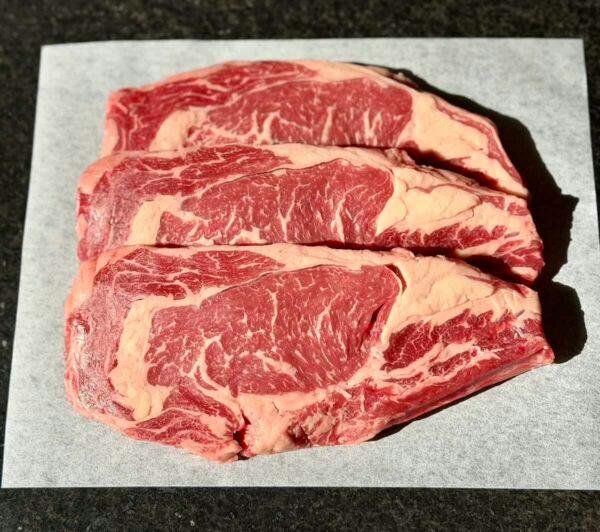
Commercial buyers may source boneless beef cuts, bone-in beef, beef tenderloin, ribeye, brisket, chuck, or other cuts according to customer demand.
Boneless Frozen Beef
Boneless beef is commonly used in foodservice, meat processing, and retail distribution.
It can be portioned into different cuts, depending on the processor and agreed product specification.
Frozen Beef for Restaurants and Hotels
Hotels, restaurants, and catering companies may require consistent portion sizes, specific fat-trimming standards, and defined quality characteristics.
Buyers should request clear specifications covering cut identity, processing, freezing, packaging, and shelf life.
Halal Beef Certification
Halal beef should be supported by documentation from a certification body accepted by the destination market.
A supplier’s general statement that its products are Halal should not replace verification of the actual shipment and producing establishment.
H2: Technical Details
Technical specifications help wholesale buyers compare offers and reduce misunderstandings before shipment.
For frozen poultry and beef, important requirements include product identity, origin, processing method, freezing conditions, packaging, shelf life, labeling, and veterinary compliance.
Product Specifications Table – Halal Frozen Chicken and Beef
The following is a reference specification framework for procurement inquiries. It is not a verified BEYPLIC batch specification or a guarantee that every listed product is currently available.
| Specification | Frozen chicken | Frozen beef |
|---|---|---|
| Product category | Frozen poultry | Frozen bovine meat |
| Halal status | Certification required | Certification required |
| Origin | As declared and verified | As declared and verified |
| Processing | Slaughtered, cleaned, frozen | Slaughtered, cut, frozen |
| Product forms | Whole or selected cuts | Boneless or bone-in cuts |
| Freezing method | IQF or block frozen, as agreed | Blast or other suitable freezing |
| Storage temperature | Normally -18°C or colder | Normally -18°C or colder |
| Appearance | Normal color for the specified cut | Normal color for the specified cut |
| Odor | No abnormal odor | No abnormal odor |
| Foreign matter | Must meet agreed food safety requirements | Must meet agreed food safety requirements |
| Net weight | According to contract | According to contract |
| Shelf life | Manufacturer-validated | Manufacturer-validated |
| Packaging | Food-grade bags and cartons | Food-grade bags, cartons or vacuum packs |
| Traceability | Batch and establishment identification | Batch and establishment identification |
| Documentation | Veterinary and Halal documents | Veterinary and Halal documents |
The Codex guidance for quick-frozen foods describes -18°C or colder as the standard temperature for maintaining frozen products, with attention to temperature control throughout storage and distribution.
Frozen Meat Quality Control
Professional importers should examine the product’s documented processing and inspection procedures.
Important considerations include microbiological compliance, temperature records, hygienic handling, traceability, and suitable transport equipment.
Where required, buyers may arrange an independent pre-shipment inspection to verify quantity, packaging, temperature, and contractual specifications.
H3: Packaging Information


Packaging is essential for protecting frozen meat during handling, storage, and international transportation.
Export packaging should be food-grade, suitable for low-temperature storage, and strong enough for the intended shipping method.
Common Wholesale Packaging Formats
| Product | Illustrative packaging | Typical buyer |
|---|---|---|
| Whole frozen chicken | Individually wrapped, master cartons | Supermarkets and distributors |
| Chicken breast | 10 kg or 20 kg cartons | Foodservice and processors |
| Chicken wings | 10 kg or 15 kg cartons | Restaurants and wholesalers |
| Chicken drumsticks | 10 kg or 15 kg cartons | Retail and foodservice |
| Chicken paws | 10 kg or 20 kg cartons | Specialized importers |
| Boneless beef | Vacuum packs in export cartons | Meat distributors |
| Beef cuts | Food-grade liners and cartons | Hotels and restaurants |
These weights are examples of industry formats. Actual carton weights, pallet counts, and container loading quantities require supplier confirmation.
Private-Label Frozen Chicken Packaging
Private-label packaging may be useful for supermarket chains and wholesale distributors seeking to establish their own product brands.
Possible requirements include custom carton artwork, Arabic-language labels, barcodes, nutritional information, and importer identification.
Private-label production must be confirmed with the processing facility before being advertised as an available service.
Halal Meat Export Documentation for Middle East Markets
Export documentation is one of the most important parts of international meat trading.
The exact requirements depend on the destination country, product category, origin, and approved processing establishment.
Commonly requested documents include:
-
Halal slaughter certificate from an accepted certification body
-
Veterinary or official health certificate
-
Certificate of Origin
-
Commercial invoice and packing list
-
Bill of Lading
-
Product specification sheet
-
Establishment approval details
-
Inspection and temperature records, where required
For Saudi Arabia, the SFDA publishes requirements covering food import registration, certificates, and foreign establishment approval.
Buyers should request current, verifiable documents before making payment commitments.
CIF Halal Frozen Chicken and Beef Shipping
Most large international frozen meat orders require refrigerated transportation.
A reefer container helps maintain controlled temperatures during ocean shipping, provided that loading, power supply, monitoring, and handling procedures are properly managed.
Popular Middle East Destination Ports
Commercial inquiries may specify ports such as Jebel Ali in the UAE, Jeddah Islamic Port or King Abdulaziz Port in Saudi Arabia, Hamad Port in Qatar, Shuwaikh Port in Kuwait, or Sohar Port in Oman.
Port selection depends on the buyer’s final destination, customs arrangements, and available shipping services.
FOB and CIF Meat Quotations
Under FOB terms, the seller delivers the goods on board the nominated vessel at the agreed shipment port.
Under CIF terms, the seller pays for freight and required insurance to the named destination port, while the contractual risk transfers at shipment.
For containerized cargo, FCA or CIP may sometimes be more appropriate, depending on the logistics arrangement.
Importers should confirm the exact Incoterm, insurance coverage, freight inclusions, and responsibility for destination charges.
Halal Meat Wholesale Prices for Saudi Arabia, UAE and Qatar
Frozen meat wholesale prices depend on the product cut, grade, origin, shipment quantity, processing requirements, packaging, and logistics costs.
For example, a quotation for frozen whole chicken may differ substantially from one for boneless chicken breast or premium beef cuts.
Rather than comparing price per metric ton alone, buyers should evaluate the complete landed cost.
A proper quotation should identify the product, net weight, packaging, origin, delivery port, currency, validity period, and payment terms.
Long-Term Frozen Meat Supply Contracts
Large distributors may prefer monthly supply contracts to support predictable inventory planning.
A long-term contract should establish agreed monthly quantities, quality specifications, shipment windows, payment terms, and procedures for handling nonconforming goods.
No supplier should guarantee unlimited volumes or fixed prices without confirming actual production and commercial capacity.
How to Choose a Reliable Halal Meat Wholesale Supplier
Choosing a meat supplier requires more than reviewing attractive product images or a low quotation.
Importers should verify the supplier’s legal identity, the actual producing facility, export eligibility, Halal certification, veterinary documentation, and ability to meet the requested shipping schedule.
Buyers should also ask whether the supplier is the producer, authorized exporter, or an independent trader.
Clear communication about these roles can help prevent disputes and unrealistic expectations.
For larger contracts, independently verifying certificates and using appropriately structured payment arrangements can reduce commercial risk.
Frequently Asked Questions
Where can I buy Halal meat wholesale Middle East in bulk?
You can approach eligible meat processors, authorized exporters, or wholesale traders. Verify origin, establishment approval, Halal certification, and export capability before placing an order.
Can Brazilian frozen chicken be imported into Saudi Arabia?
Import eligibility depends on current Saudi regulations, approved origins, eligible establishments, and the required documentation. Buyers should verify these conditions before shipment.
What is the best temperature for storing frozen chicken?
Commercial quick-frozen products are generally maintained at -18°C or colder, subject to applicable product and destination requirements.
Is Halal certification required for imported frozen beef?
Requirements vary by country. Saudi Arabia requires appropriate Halal slaughter certification for imported meat and poultry shipments.
Can I request CIF prices for frozen chicken?
Yes. Specify the destination port, product cut, carton weight, quantity, and required shipment period to obtain a meaningful CIF quotation.
Does BEYPLIC offer wholesale frozen chicken inquiries?
Prospective buyers can use BEYPLIC to explore product information and make inquiries. Actual availability, certificates, pricing, and export eligibility must be confirmed.
Conclusion: Halal Meat Wholesale for the Middle East Markets
Finding a reliable Halal meat wholesale supplier for the Middle East markets requires careful attention to product quality, certification, cold-chain management, export documentation, and commercial terms.
Frozen chicken, beef, and other meat products serve different customer needs, from supermarket distribution to restaurants and industrial food processing.
For importers, the most effective approach is to define the required product specifications, verify the producing establishment, and obtain a complete written quotation before committing to a shipment.
Looking for Halal frozen chicken or beef wholesale opportunities? Visit BEYPLIC to explore relevant products and submit your purchasing requirements.
