
frozen chicken, Frozen Poultry, Ice-Glazed Chicken
whole half cow deposit
Oct
Whole/Half Cow Deposit: A Practical Guide to Buying Bulk Beef
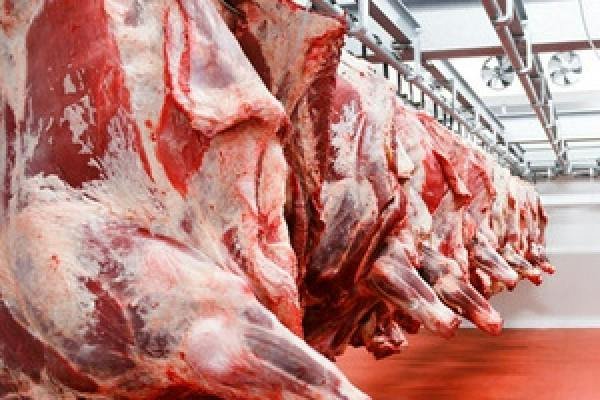
A whole half cow deposit can be the first step toward a substantial freezer beef purchase. Before you reserve your order, however, you need more than an attractive price. You need to know what the deposit secures, how the final bill is calculated, which cuts are included and when the meat will be ready.
Buying half a cow or a whole beef share can suit households that regularly cook beef, groups sharing an order and certain commercial buyers. The right choice depends on your budget, storage capacity and preferred cuts.
Use this guide to compare your options and prepare a clear enquiry for Beyplic. Confirm that a whole or half beef reservation is available for your destination before making a payment.
What Is a Whole or Half Cow Deposit?
A whole cow deposit or half cow deposit is an advance payment toward a specified beef reservation. Depending on the seller’s written terms, it may reserve an animal share, a processing appointment or a finished beef package.
These arrangements are different. Buying an animal share for processing is not automatically the same as buying boxed frozen beef by net weight. Ask which arrangement applies to your order.
Your confirmation should identify the seller, product, reservation quantity, deposit amount and remaining payment obligations. It should also explain whether the deposit is credited toward the final invoice and what happens if the seller cannot fulfill the order.
Avoid paying against a vague description such as “half cow package.” A useful reservation includes an agreed specification and a clear way to calculate the balance.
Should You Buy a Whole Cow or Half a Cow?
A half beef order may be easier to manage if you want a varied selection without committing to the largest quantity. A whole beef order may suit a larger household, a shared purchase or a buyer with substantial freezer space.
Think about how you cook. If your household mainly uses ground beef and occasional steaks, request a breakdown before reserving a large mixed order. A package containing many roasts may be less practical for you than one with agreed grinding options.
For shared purchases, decide how cuts and costs will be divided before the deposit is paid. Premium cuts are limited, so distributing only by package count can produce an uneven result.
Commercial buyers should also clarify whether they are purchasing carcass beef, primal cuts or portioned retail packs. A household freezer package and a restaurant procurement order often require different specifications.
Understanding Whole and Half Beef Pricing
When comparing whole cow prices or half cow prices, ask what weight the quoted rate uses. Three common measurements are live weight, carcass or hanging weight, and finished packaged weight.
Live weight refers to the animal before slaughter. Hanging weight refers to the dressed carcass at an identified weighing stage. Finished weight refers to the meat delivered after cutting and trimming, with the exact inclusions defined by the order.
A hanging-weight quote does not mean you will receive the same weight in packaged meat. Bones, trimming, moisture loss and cutting choices affect the final yield. Ask for a supplier estimate rather than assuming a fixed conversion.
Compare the total purchase cost. Processing, packaging, transport, taxes and optional services may be billed separately. A lower headline rate may become a more expensive order once those charges are included.
How to Calculate the Remaining Balance
For a weight-based order, a useful starting formula is:
Balance due = agreed billable weight × agreed rate + separately agreed charges − credited deposit.
As a fictional example, an order billed at 200 kg at 8 currency units per kg, with 250 in additional charges and a credited deposit of 300, would leave a balance of 1,550.
This example illustrates the calculation only; it is not a Beyplic quotation. Your invoice should identify the actual currency, billable weight, rate, charges and payment deadline.
Deposit Terms to Confirm Before Ordering
A deposit should create clarity about the next step. Ask whether the amount is fixed or calculated as a percentage, when it becomes due and whether the quoted price remains fixed until delivery.
Read the cancellation and refund terms carefully. Some arrangements may allow cancellation before a processing deadline, while others may have different conditions. Do not assume a deposit is refundable or non-refundable without the applicable written terms.
Also ask what happens if the processing date changes, the final weight falls outside the estimate or your selected package becomes unavailable.
Keep the quotation, reservation confirmation and payment receipt together. These documents help you check that the final invoice matches the agreement and make follow-up conversations easier.
Which Beef Cuts Can Be Included?
Depending on the agreed cutting plan, a whole or half beef package may include steaks, roasting joints, ground beef, stew meat, brisket and ribs. Exact quantities depend on the carcass and processing choices.
Ask for a cut sheet before reserving. Discuss steak thickness, roast size, ground beef pack weight and whether you prefer bone-in or boneless cuts. Request separate confirmation for organs, soup bones and fat if you want them.
Some choices affect other cuts. For example, selecting certain bone-in loin steaks changes what can be supplied as separate boneless cuts from that section. The processor should explain the options available.
Do not expect a whole beef order to consist mainly of premium steaks. A practical bulk purchase includes a range of cuts, so plan meals around the full assortment.
Technical Details
Use the following specification table to compare quotations. It is an enquiry template, not a confirmed Beyplic product specification.
| Specification | Information to confirm |
|---|---|
| Product format | Whole beef share, half beef share, carcass or boxed cuts |
| Country of origin | Declared origin supported by appropriate records |
| Processing establishment | Processor identity and applicable approval |
| Supply condition | Chilled or frozen, as quoted |
| Pricing basis | Live, carcass/hanging or finished net weight |
| Estimated quantity | Supplier estimate and acceptable weight variation |
| Cut assortment | Agreed cut sheet and substitutions |
| Bone content | Bone-in, boneless or mixed |
| Ground beef composition | Agreed specification, where applicable |
| Packaging | Vacuum packs or another confirmed food-grade format |
| Storage | Manufacturer’s label instructions; frozen storage generally at −18°C or colder |
| Shelf life | Supplier-validated period for the actual product and packaging |
| Traceability | Batch or lot details and production identification |
| Certification | Product-specific documents; halal only where verified |
| Deposit | Amount, currency, crediting and cancellation terms |
| Delivery | Destination, method, charges and agreed delivery window |
For frozen beef, USDA consumer guidance recommends a freezer temperature of 0°F, approximately −18°C. Follow the product label and the requirements applicable to your shipment.
Packaging Information
Packaging affects how easily you can store and use a bulk beef purchase. Request portions that match your usual meals, whether that means smaller ground beef packs or larger roasting joints.
Ask whether cuts are individually vacuum packed, freezer wrapped or packed in another suitable format. Confirm whether package weights are fixed or variable and whether different cuts are separated in outer cartons.
Labels should allow you to identify the product and trace the batch. Request details about cut names, net weights, production information and storage instructions.
For commercial orders, also confirm carton dimensions, net and gross weights, pallet configuration and unloading requirements. A household delivery and an export consignment need different packing and transport arrangements.
Freezer Space, Delivery and Availability
Plan storage before you pay a reservation deposit. Confirm the expected finished meat weight and the space needed for the actual package sizes. Leave room to organize cuts and rotate older stock.
As a reference, University of Minnesota Extension estimates that 142 pounds of beef requires at least 4.5 cubic feet in a chest freezer or 5.5 cubic feet in an upright freezer. Your order may differ, so request a package-specific estimate.
Delivery availability should be confirmed for your exact location. Ask about temperature-controlled transport, pickup alternatives, access restrictions and who receives the order.
For international commercial inquiries, request the relevant delivery terms and destination-specific documentation. Country of origin alone does not establish that a shipment is eligible for every market.
Quality Documents and Halal Requirements
If documentation is essential to your purchase, discuss it at quotation stage. Ask which product specifications, inspection records, health documents and origin documents can be supplied for the particular order.
Request a certificate of analysis, where applicable, and clarify which parameters it covers. A COA does not replace every other document a buyer may require.
For halal beef, request the certificate covering the actual product and processing establishment. Check the certifying body, validity and acceptance for your intended market before committing.
The same care applies to claims such as organic, grass-fed or a named quality grade. Include these requirements in your inquiry and obtain evidence rather than assuming they apply to every available product.
Ordering Beef Alongside Brazil Frozen Chicken
If you are buying for a restaurant, retailer or distribution business, your inquiry may include both beef and poultry. Keep the two specifications separate so each product can be quoted accurately.
For Brazil frozen chicken wholesale enquiries, specify the required cut, quantity, carton weight, destination and certification requirements. Whole chicken, breasts, wings and leg quarters each need their own product details.
You can explore Beyplic’s frozen chicken range and request confirmation of Brazilian origin for the selected product. Ask whether a combined order is practical; shared shipment arrangements, availability and documentation should be confirmed before booking.
Frequently Asked Questions
Does a half cow deposit cover the full order?
Do not assume it does. Confirm whether the payment is an advance credited to the final invoice, and request an estimate of the remaining balance and additional charges.
Will I receive half the animal’s live weight as meat?
No. Live weight and finished packaged meat weight are different measurements. Ask which weight determines pricing and what finished yield the supplier estimates.
Can I choose the cuts?
Custom cutting may be available for some arrangements. Confirm the cut sheet, processing deadline and any added charges before paying the deposit.
Is whole or half beef always cheaper?
No. Compare the delivered cost per usable kilogram and the value of the full cut assortment. Savings depend on pricing, processing costs and how well the package fits your needs.
Can I order halal beef and Brazilian chicken together?
Submit a separate specification for each product. Confirm availability, certification and delivery arrangements for both before committing to a combined purchase.
Request Your Whole or Half Beef Quote
Ask for written confirmation of availability, the complete pricing basis, deposit terms, expected finished weight and delivery arrangements. Once those details are clear, you can decide whether the reservation suits your budget and storage plan.
Suggested button: Request Whole or Half Beef Availability
