
frozen chicken, Frozen Poultry, Ice-Glazed Chicken
Brazilian chicken paws exporters
Oct
Brazilian Chicken Paws Exporters: A Wholesale Buying Guide
Choosing Brazilian chicken paws exporters takes more than comparing price lists. For a wholesale buyer, the real question is whether the product, paperwork and delivery arrangements match the market you serve. A quotation can look attractive until you discover that the cut, size grading or processing standard differs from your customers’ requirements.
Chicken paws need a precise buying specification. Appearance, trimming, piece weight and packing can affect how the product is received, processed and sold. Export eligibility also matters: the actual producer and product must meet the requirements of the destination.
This guide explains how to compare Brazilian chicken paws suppliers, request the right documents and prepare a clear quotation inquiry. For commercial discussions, explore Beyplic’s Brazil frozen chicken wholesale page and chicken feet and paws page. Confirm the exact product offered before ordering.
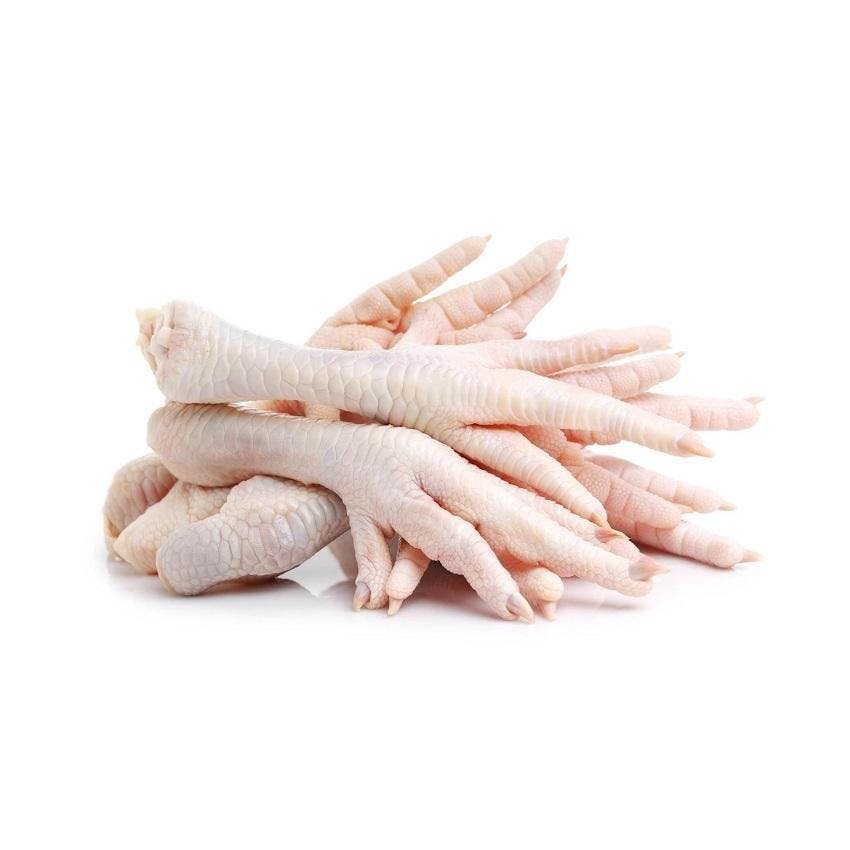
What Are Chicken Paws, and How Do They Differ from Feet?
Paws and feet should not be treated as interchangeable product names. The cut can differ, and the processing description matters just as much as the anatomy.
USDA’s voluntary poultry trade descriptions distinguish a paw containing part of the metatarsus from a foot containing the metatarsus. They also distinguish processed from unprocessed products. In those descriptions, processed paws have the nails and thin outer yellow skin removed. These U.S. descriptions are useful reference points, rather than a universal Brazilian export specification. [1]
When you buy frozen chicken paws from Brazil, ask for a cut description, processing details and representative photographs. Agree on the cutting point, nail removal and outer-skin removal. A signed specification is more useful than a photograph alone because it defines what must be supplied.
Choosing Brazilian Chicken Paws for Your Sales Channel
The right product depends on your customer. A distributor supplying food processors may prioritize consistent bulk packing and agreed grading. A retailer may need smaller packs with destination-compliant labels. A food service buyer may care more about uniform size and presentation.
Start with the intended use and sales format. Specify whether you require raw frozen processed paws for human consumption or another preparation. Do not assume that every poultry by-product offer is intended or approved for the same use.
Ask how the supplier grades pieces and handles out-of-range sizes. If your customer requires a minimum piece weight, define the measurement method and acceptable variation. An average weight alone does not tell you how many smaller pieces may be in the shipment.
How to Compare Brazilian Chicken Paws Exporters
Identify who produces the goods, who exports them and who signs your sales contract. A trading supplier may coordinate the order without owning the processing establishment. That arrangement should be clear in the offer and supporting documents.
Request the producer’s identity and relevant establishment information. Make sure product descriptions, origin details and shipment documents are consistent. Where a seller claims to represent a named producer, ask for supporting authorization.
Then compare the offers on the same basis: processing standard, piece grading, net weight, packaging and delivery term. A cheaper offer for less-trimmed paws is not equivalent to one meeting tighter acceptance criteria.
For recurring purchases, discuss the proposed lifting schedule and how availability will be confirmed. Treat a monthly capacity claim as something to substantiate, especially when your customers depend on regular delivery.
Technical Details
A useful chicken paws specification describes characteristics that receiving staff can assess. It should cover the cut, processing, piece-weight range, freezing format, appearance and agreed defect tolerances.
Ask about outer yellow skin, remaining nails, feathers, damaged pads, discoloration, fractures and other relevant defects. Instead of copying a generic “zero defects” promise, define realistic acceptance limits and an inspection method.
Be careful with “Grade A chicken paws.” USDA’s cited trade descriptions state that paws are not available in U.S. Grades A, B or C. A seller using “Grade A” should identify its own grading criteria or the specific standard being claimed; the phrase alone does not establish quality. [1]
For quick-frozen foods, Codex guidance uses −18°C as the reference storage and distribution temperature. Confirm the producer’s handling instructions and the agreed transport conditions. [2]
Shelf life must be supported by the producer’s documentation and approved labeling. Request production and expiry dates, plus the minimum remaining shelf life required at loading or arrival.
Product Specifications Table
The following is a purchasing template, not a confirmed specification for Beyplic stock.
| Parameter | Requirement to confirm |
|---|---|
| Origin | Brazil, supported by traceable origin documentation |
| Product | Raw frozen chicken paws for the agreed intended use |
| Cut definition | Anatomical cutting point and retained portion |
| Processing | Cleaning, outer-skin removal and nail-removal requirements |
| Piece grading | Agreed weight range, sampling method and permitted variation |
| Presentation | Bone-in, skin-on product with agreed outer-skin treatment |
| Appearance | Defined limits for discoloration, damage and other defects |
| Freezing format | IQF or block frozen, as actually offered |
| Ingredients or treatment | Declare any added ingredients or relevant processing treatment |
| Storage | Producer instructions; −18°C reference for quick-frozen foods |
| Inner packaging | Bulk liner, sealed bag or specified retail pack |
| Carton weight | Declared net product weight and verification method |
| Shelf life | Producer-declared expiry under stated storage conditions |
| Traceability | Producer, establishment, batch and production details |
| Testing | Agreed parameters, methods and acceptance limits |
| Halal | Applicable certification, if required and confirmed |
| Export eligibility | Actual establishment and product eligible for destination |
| Delivery | Agreed quantity, named port, Incoterm and shipment window |
Packaging Information
Packing must protect the product during frozen transport and fit the buyer’s receiving operation. Ask whether paws are supplied in lined cartons, smaller sealed bags or another arrangement.
State the required net carton weight, inner-pack count and carton dimensions. For retail or private-label supply, discuss artwork, label language, approval responsibility and minimum quantities before production.
Confirm whether cargo will be palletized or floor loaded. A palletized offer should include cartons per layer, layers per pallet, pallet dimensions and total height. Request separate net and gross shipment weights.
There is no universal number of tons or cartons per container. The loading plan depends on packaging, pallets, equipment and applicable weight limits. Obtain the actual proposed configuration rather than relying on a standard figure copied from another product.
IQF and Block-Frozen Chicken Paws
Individually quick frozen, or IQF, packing can suit buyers who need separate pieces for portioning or processing. Ask about acceptable clumping and how the product is packed after freezing.
Block-frozen paws may suit operations that handle larger batches. Buyers should evaluate block dimensions, inner packaging and compatibility with their handling procedures.
Neither format alone proves product quality. Grading, processing and cold-chain control remain important. Confirm the freezing format in the written offer, especially if your receiving equipment or downstream process depends on it.
Comparing Brazil Chicken Paws Prices
A meaningful price needs a complete specification. Request a quotation stating the product, processing level, grading range, freezing format, packaging, quantity and currency.
Compare price per net kilogram or metric ton. Check whether packaging is excluded from the product weight and how any ice or glazing is accounted for where relevant.
For FOB or CIF inquiries, provide the named port and applicable Incoterms edition. Ask which costs are included and which destination charges you will pay. Do not assume a CIF quotation includes import duties, clearance or delivery to your warehouse.
Also request quotation validity, payment terms and the proposed shipment window. These details help you compare the total commercial offer and judge whether it fits your purchasing schedule.
Export Documents, Halal Verification and COA
Brazil’s Ministry of Agriculture describes export procedures for establishments under federal inspection, with requirements depending on the destination. Registration does not establish unrestricted access to every market. Confirm eligibility for the actual establishment, product and destination. [3]
Agree on the required document list with the seller and your customs broker. Depending on the shipment, this may include the commercial invoice, packing list, bill of lading, origin documentation and applicable official sanitary or veterinary certificate.
If halal chicken paws are required, request documentation covering the actual establishment and product. Check validity and acceptance in your destination market. Brazilian origin alone is not proof of halal status.
Request a Certificate of Analysis, or COA, where required by your specification. Check the tested batch, laboratory, methods and acceptance limits. A COA supports product assessment but does not replace official sanitary certification.
Shipping and Availability
Ask whether the offered product is available from stock or requires production. Establish the proposed loading location, reefer arrangements and estimated shipment schedule before confirming the order.
Destination entry conditions should be checked before contracting and again before dispatch. Avoid relying on an old shipment as proof that the next consignment will be accepted.
Agree on temperature records, container and seal identification, and the receiving inspection process. Define how discrepancies will be documented and reported. Clear inspection arrangements make it easier to evaluate quantity, packing or condition issues.
For regular purchases, provide realistic demand forecasts and warehouse capacity. A monthly schedule should state the product grading and packing so that future orders match the original agreement.
Request a Chicken Paws Wholesale Quotation from Beyplic
A complete inquiry helps the supplier assess your requirements. Include your company, destination country and port, quantity, cut definition, processing standard and piece-weight range.
Add the preferred freezing format, packaging, delivery term, shipment window and any halal or labeling requirements. Ask for the technical sheet, loading plan, document list, payment terms and quotation validity.
Looking to buy Brazilian frozen chicken paws in bulk? Send Beyplic your specification, quantity and destination requirements to request a current wholesale quotation. Confirm product availability and final conditions in writing before placing an order.
Frequently Asked Questions
Are chicken paws the same as chicken feet?
Commercial descriptions can differ. Confirm the anatomical cut and processing requirements rather than accepting either name without a specification.
What does Grade A chicken paws mean?
Ask the seller to define the grading criteria. Do not assume the phrase represents a universal standard or a USDA poultry grade.
What is the minimum wholesale order?
MOQ depends on the supplier, grading and packing arrangement. Request confirmation for your exact inquiry.
Can I request private-label packaging?
Ask whether it is available, along with artwork requirements, minimum quantities and additional costs. Obtain written approval of the final label.
How do I get a current export price?
